How the 5 US Dollar Bill Reflects American Culture and Economy
Wiki Article
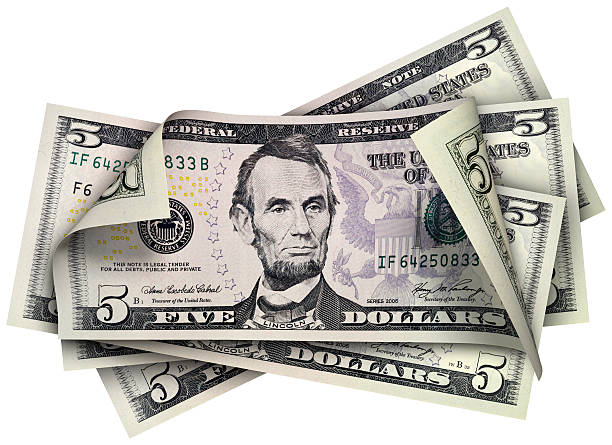
The 5 US dollar bill, though often overlooked in favor of higher denominations, carries significant cultural, historical, and economic symbolism. Beyond its role as a medium of exchange, the $5 note tells a powerful story of America’s values, history, and global economic influence. Featuring images that highlight the nation’s democratic roots and its enduring leadership, the five-dollar bill serves as both a practical tool and a cultural icon.
This article explores how the design, symbolism, and circulation of the 5 USD note reflect American culture and its place in the global economy.
The History of the 5 US Dollar Bill
The five-dollar bill has undergone several transformations since it was first issued in the 19th century. Its most notable feature is the portrait of Abraham Lincoln, the 16th President of the United States, whose leadership during the Civil War and dedication to freedom symbolize resilience and unity. Over the decades, the bill’s design has evolved to include modern security features while preserving its cultural significance.
Design Elements That Represent American Culture
1. Abraham Lincoln’s Portrait
The face of Abraham Lincoln on the $5 bill symbolizes the American ideals of freedom, equality, and justice. His enduring legacy as a leader who preserved the Union and abolished slavery makes the $5 bill more than just currency—it is a tribute to democracy.
2. The Lincoln Memorial
On the reverse side, the Lincoln Memorial in Washington, D.C. stands as a representation of unity and remembrance. The memorial reflects America’s respect for its leaders and its commitment to preserving democratic values.
3. National Motto and Inscriptions
The phrases “In God We Trust” and “The United States of America” emphasize the cultural and national identity embedded in US currency. These words highlight the country’s deep connection to both spirituality and patriotism.
Economic Role of the 5 US Dollar Bill
The five-dollar note plays a unique role in both domestic and global economies:
-
Daily Transactions – In the United States, the $5 bill is widely used for small purchases such as food, transportation, and services, making it an essential denomination for everyday commerce.
-
Banking and Circulation – Its availability in ATMs, cash registers, and banks ensures smooth economic transactions at multiple levels of society.
-
International Trade and Recognition – The US dollar is the world’s leading reserve currency, and even small denominations like the $5 note are recognized and accepted in many countries.
-
Symbol of Stability – The durability and demand for the US dollar, including the $5 bill, reflect America’s role as a global economic powerhouse.
Cultural Significance Beyond Commerce
The 5 USD bill is not only an economic tool but also a cultural marker.
-
Educational Value – Teachers often use the $5 bill to introduce students to Abraham Lincoln and American history.
-
Tourism and Souvenirs – International travelers frequently take home $5 notes as cultural keepsakes.
-
Symbol in Media and Art – The $5 bill often appears in films, literature, and artwork, symbolizing both modest means and essential value.
Security Features and Trust in the Economy
The constant updates to the design and security of the $5 bill reflect the United States’ commitment to protecting its economy from copyright threats. Features include:
-
Watermarks visible under light.
-
Color-shifting ink on certain numbers.
-
Security threads that glow under UV light.
-
Raised printing for tactile verification.
These security innovations symbolize trust, showing how America adapts technology to safeguard its economy and maintain global confidence in its currency.
The $5 Bill in a Global Context
While it holds modest domestic value, the five-dollar note plays a larger role in the global financial ecosystem:
-
Accepted Internationally – Many countries accept US dollars for trade, tourism, and investment.
-
Part of the Reserve Currency System – Even small denominations contribute to the dominance of the US dollar as the world’s reserve currency.
-
Cultural Export – The widespread circulation of the $5 bill abroad reinforces the image of the US as a leading global power.
Conclusion
The 5 US dollar bill is far more than just paper currency. It embodies American history, culture, and economic strength, showcasing Abraham Lincoln’s legacy, the Lincoln Memorial’s symbolism, and the United States’ role in global finance. From everyday purchases to international recognition, the five-dollar note reflects the resilience and values of the American people while reinforcing trust in the world’s most influential currency.
Report this wiki page